
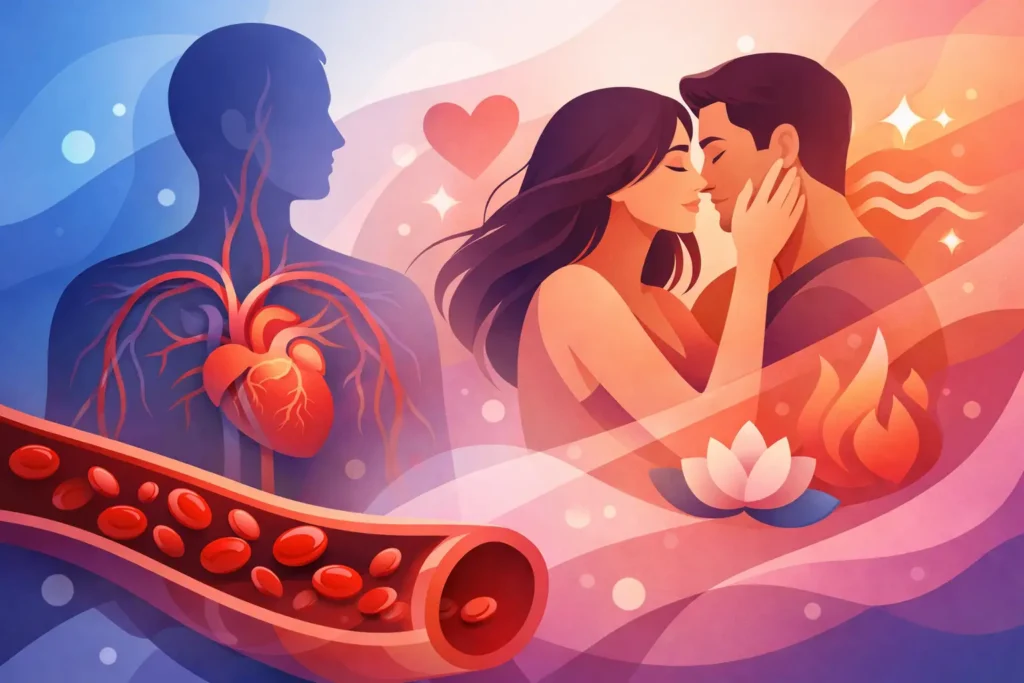
How Blood Flow Affects Arousal and Pleasure
Arousal is not just a thought, a mood, or a spark between two people. It is also a physical response that relies on circulation. Understanding how blood flow affects arousal can make changes in desire, sensitivity, comfort, and performance feel less mysterious – and more manageable. When the body is relaxed, receptive, and well supplied with blood, intimacy often feels more responsive and more enjoyable.
For adults of every gender, healthy circulation helps turn anticipation into a noticeable physical experience. That does not mean every intimate moment needs to look or feel the same. Stress, sleep, hormones, relationship dynamics, medication, and overall health all have a say. But blood flow is one of the body’s central pathways to arousal, pleasure, and sexual confidence.
How Blood Flow Affects Arousal in the Body
When you become aroused, your nervous system sends signals that encourage blood vessels in the genital area to relax and widen. This allows more blood to reach erectile tissues and the surrounding structures. That increase in circulation creates fullness, warmth, sensitivity, and the physical readiness associated with sexual arousal.
For men, blood flow fills the erectile tissue of the penis. Veins then help keep that blood in place long enough to support firmness. Erection quality can be affected when that process is interrupted by anxiety, fatigue, alcohol, certain health conditions, or reduced vascular function.
For women, increased genital blood flow supports swelling and sensitivity in the clitoris, vulva, and vaginal tissues. It also contributes to the body’s natural lubrication response. More circulation may make touch feel more noticeable and help the body feel more comfortable as arousal builds.
This is why arousal can be present in the mind but slower to show up in the body. You may feel attracted, emotionally connected, and ready for intimacy, yet your physical response can lag when you are exhausted, distracted, tense, or simply not given enough time to warm up. There is nothing unusual about that. The body is responding to its full environment, not just desire alone.
Microcirculation and Sexual Sensitivity
Microcirculation refers to blood flow through the body’s smallest blood vessels. These tiny pathways help deliver oxygen and nutrients to tissues throughout the body, including the genital area. While circulation is often discussed in relation to heart health or exercise, it also matters for sexual wellness.
Better support for microcirculation may help the body respond more readily to arousal signals. In practical terms, that can mean greater sensitivity, a stronger sense of fullness, easier natural lubrication, or more dependable erectile response. The experience is individual, and no wellness product can replace medical care for a persistent sexual-health concern. Still, supporting the body’s natural circulation can be a meaningful part of reclaiming passion and vitality.
Sensitivity is especially personal. Some people want a more intense response to touch, while others are seeking comfort, connection, or a return to the desire they remember having earlier in life. Healthy blood flow does not create a single “right” version of sex. It helps give your body the physical resources to respond to pleasure in a way that feels authentic to you.
Why Arousal Can Change From Day to Day
Arousal is not a switch. It is a conversation between the brain, nervous system, hormones, emotions, and blood vessels. That is why a person can feel confident and highly responsive one night, then feel distracted or less physically engaged the next.
Stress is a common reason. When the body is in a high-alert state, it prioritizes getting through the day over pleasure. Stress hormones can make it harder to relax, and muscle tension can work against the sense of openness that supports arousal. Performance pressure can have a similar effect, particularly when someone starts monitoring whether their body is responding “well enough.”
Sleep, hydration, movement, and alcohol use can also influence circulation and sexual response. A heavy meal or a few drinks may make a date night feel festive, but either can leave some people feeling less energized or less physically responsive. Hormonal changes, including those related to aging, postpartum recovery, menopause, or certain medications, can affect desire and genital comfort as well.
The takeaway is not to chase perfection. It is to notice patterns with curiosity instead of judgment. Arousal becomes easier to support when you understand what helps your body feel safe, rested, desired, and present.
Supporting Healthy Blood Flow for Better Intimacy
A few consistent habits can support circulation and overall vitality. Regular movement is one of the simplest. Walking, strength training, dancing, cycling, and other enjoyable activities encourage cardiovascular health and can help you feel more connected to your body. The goal is not a punishing workout routine. It is movement you can sustain.
Food choices matter, too. A balanced eating pattern with vegetables, fruit, protein, healthy fats, and adequate water supports the systems involved in energy and circulation. If you smoke, reducing or quitting can be particularly meaningful for vascular health, since smoking can constrict blood vessels and affect sexual function.
The bedroom itself deserves attention. Give arousal enough time. Slow down, communicate about what feels good, and let pressure leave the room. For many couples, more foreplay and less expectation create a better path to physical response. Arousal often grows when both people feel unhurried, accepted, and focused on pleasure rather than a particular outcome.
Some adults also choose natural sexual-wellness supplements designed to support circulation and sexual vitality without building a daily routine around them. Ching-A-Ling is made for adults who want convenient support for microcirculation, sensitivity, and intimate confidence as part of a fuller approach to wellness. As with any supplement, follow label directions and speak with a qualified healthcare professional if you have a health condition, take prescription medications, or have questions about ingredient interactions.
When a Change in Blood Flow Deserves Attention
Occasional changes in erection quality, lubrication, sensation, or desire are common. Life gets demanding, bodies change, and intimacy has natural ups and downs. But a sudden, persistent, or distressing change can be worth discussing with a healthcare professional.
Ongoing erectile difficulties, genital pain, major changes in sensation, or dryness that makes intimacy uncomfortable may have treatable causes. Sexual response can sometimes reflect broader concerns involving blood pressure, diabetes, hormone levels, mental health, medication side effects, or cardiovascular health. Getting answers is not embarrassing. It is a practical act of caring for your whole body.
For couples, that conversation can be a source of closeness rather than tension. Replace blame with teamwork. A simple “What would help you feel more comfortable and connected?” can open the door to more honest, satisfying intimacy.
Your body’s arousal response is not a performance review. It is useful feedback about your energy, comfort, health, and emotional environment. Give it time, support healthy circulation, and make room for the kind of connection that lets pleasure feel natural again.