
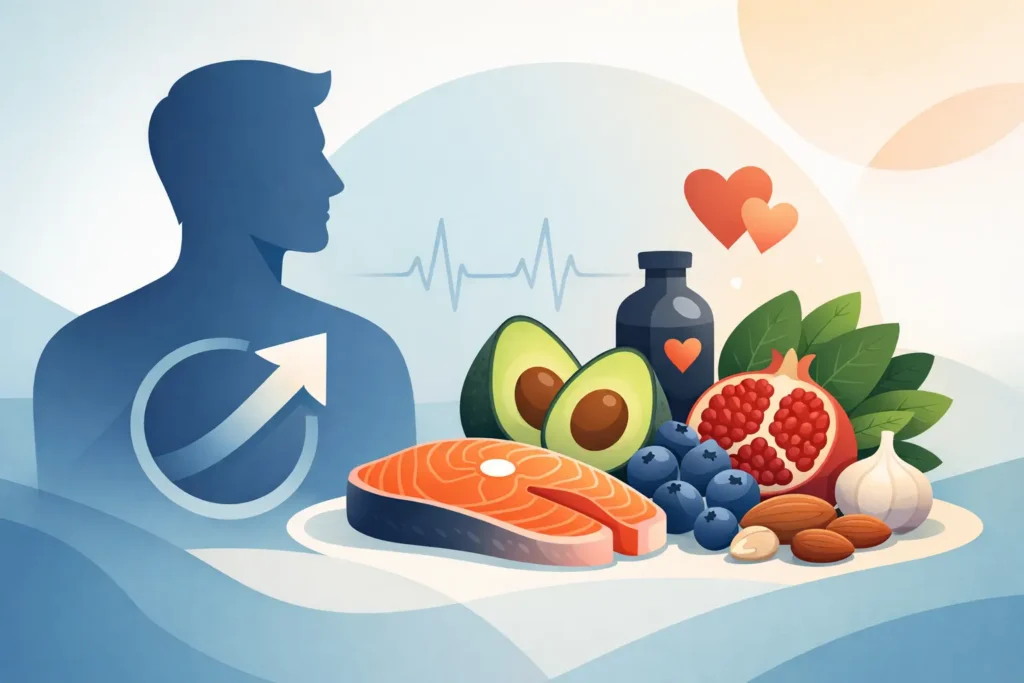
Male Libido Enhancement Foods That Support Desire
A great date night can lose some of its spark long before the lights go down. Work pressure, short sleep, heavy meals, alcohol, relationship stress, and low energy can all affect desire and performance. That is where male libido enhancement foods can play a supportive role: not as a magic switch, but as part of a lifestyle that helps your body feel energized, well-nourished, and ready for connection.
Sexual wellness is personal, and libido naturally rises and falls. Still, the foods you eat can influence key foundations of intimate health, including circulation, hormone production, mood, and steady energy. The goal is not to chase one “miracle” ingredient. It is to create daily habits that support the confidence, vitality, and pleasure you want to bring into your intimate life.
Why Food Matters for Male Desire
An erection depends on healthy blood flow, nerve signaling, emotional comfort, and sexual stimulation. Desire is broader still. It can be shaped by your energy level, body image, stress load, relationship dynamic, medications, and general health. Food cannot solve every cause of low libido, but it can help support the systems that make arousal and performance possible.
Microcirculation matters here. Tiny blood vessels deliver oxygen and nutrients throughout the body, including the genital area. A diet rich in colorful plants, healthy fats, quality protein, and minimally processed foods supports cardiovascular health, which is closely connected to sexual function.
There is also a practical benefit. Eating in a way that keeps your energy stable can make you feel more present. A big sugary lunch followed by an afternoon crash is not exactly a recipe for confidence later that evening. Consistent meals, hydration, and smart snacks can help you feel more like yourself.
Male Libido Enhancement Foods Worth Putting on Your Plate
Oysters and other zinc-rich seafood
Oysters have earned their sensual reputation for a reason. They are exceptionally rich in zinc, a mineral involved in normal testosterone production, reproductive health, and immune function. They also provide protein and other nutrients that support overall vitality.
If oysters are not your thing, try crab, mussels, shrimp, or fish. Beef, pumpkin seeds, beans, and dairy products can contribute zinc as well. More is not always better, though. High-dose zinc supplements may cause problems and can interfere with other nutrients, so food-first is usually the sensible approach.
Fatty fish for circulation and mood
Salmon, sardines, trout, and mackerel provide omega-3 fatty acids, which support heart health and normal blood vessel function. That matters because the same circulation that supports an active body also supports sexual response.
Aim to enjoy fatty fish a couple of times a week if it works for your preferences and budget. For plant-based omega-3s, add walnuts, chia seeds, flaxseed, or hemp hearts to meals. Plant sources are valuable, although the body converts their omega-3s differently than it does those from fish.
Leafy greens and beets
Spinach, arugula, kale, romaine, and beets contain naturally occurring nitrates. In the body, nitrates can be converted into nitric oxide, a compound involved in relaxing blood vessels and supporting healthy blood flow.
A simple dinner of grilled salmon, roasted beets, and a peppery arugula salad is not just colorful. It gives your body nutrients that support circulation without requiring a complicated routine. If you take medication for blood pressure or heart conditions, speak with a healthcare professional before using concentrated nitrate products or supplements.
Berries, citrus, and deeply colored fruit
Blueberries, strawberries, cherries, oranges, grapefruit, and pomegranate deliver antioxidants and plant compounds that help protect cells from oxidative stress. They also make an easy swap for heavily sweetened snacks and desserts that can leave your energy swinging.
Think beyond a fruit cup. Blend berries into a protein smoothie, add orange slices to a salad, or keep frozen cherries on hand for a quick evening snack. These small choices can support your larger wellness goals while still feeling enjoyable.
Nuts, seeds, and avocado
Almonds, pistachios, walnuts, pumpkin seeds, and avocado offer healthy fats, fiber, magnesium, and vitamin E. Healthy fats are particularly useful because hormones are made from cholesterol and dietary fats play a role in helping the body absorb certain vitamins.
Pistachios are an especially easy snack for a busy schedule. Pair a handful with fruit, or add them to yogurt and oats. The key is portion awareness, since nuts are nutrient-dense and calorie-dense at the same time.
Eggs, lean proteins, and legumes
Protein helps support stable energy, muscle maintenance, and satisfaction after meals. Eggs, Greek yogurt, chicken, turkey, tofu, lentils, chickpeas, and black beans all fit well into a libido-supportive eating pattern.
For men trying to improve body composition or fitness, protein can be particularly helpful. Feeling stronger and more comfortable in your body can influence sexual confidence just as much as any single food on the plate.
What Can Quiet Desire
There is room for celebration, restaurant meals, and a favorite cocktail. But frequent excess can work against your goals. Heavy alcohol use can reduce sexual response and affect sleep. Highly processed foods, excess added sugar, and a diet built around refined carbohydrates can make it harder to maintain stable energy and support heart health.
Very restrictive dieting can also be a problem. If you are constantly under-fueling, avoiding entire food groups without a medical reason, or training hard without enough recovery, your libido may be one of the first things to feel the strain. Desire tends to respond better to nourishment than punishment.
Timing matters, too. A large, greasy meal immediately before intimacy may leave you feeling sluggish or uncomfortable. If you are planning a special evening, choose something satisfying but lighter: lean protein, vegetables, a whole grain, healthy fats, and plenty of water.
Build a Plate That Supports Passion
You do not need a complicated meal plan or an expensive pantry. Start with a simple pattern: make half your plate vegetables or fruit, include a quality protein, add a high-fiber carbohydrate such as oats, beans, brown rice, or sweet potato, and finish with a source of healthy fat.
For breakfast, eggs with spinach and avocado can offer protein, greens, and healthy fats. At lunch, try a grain bowl with chicken or chickpeas, roasted vegetables, and pumpkin seeds. For dinner, salmon with greens and beets makes an easy circulation-conscious choice. These are not “performance meals.” They are satisfying meals that consistently support whole-body vitality.
Hydration deserves a place in the conversation as well. Mild dehydration can contribute to fatigue, headaches, and feeling off your game. Keep water accessible throughout the day, especially if you drink coffee, exercise, or spend time in the heat.
Food Works Better With the Right Habits
The most powerful support for libido often comes from what surrounds the meal. Regular movement improves cardiovascular fitness and can support blood flow. Strength training and walking are both useful, and neither requires living at the gym.
Sleep is another non-negotiable. Testosterone production, stress regulation, mood, and energy all take a hit when sleep is consistently short. Even a few nights of better rest can change how you feel in your body.
Finally, make room for connection without putting pressure on a specific outcome. A relaxed conversation, a little flirting, shared laughter, and time away from screens can help desire feel more natural. Sexual wellness is not just mechanical. It is physical, emotional, and relational.
For adults who want added natural support without building a daily pill routine, Ching-A-Ling is designed around ingredients associated with circulation, arousal, and sexual vitality. Food and wellness products can complement one another, but neither should replace medical guidance when something feels persistently different.
When Low Libido Deserves a Closer Look
A temporary dip in desire is common. But if low libido, difficulty getting or maintaining erections, pain, fatigue, low mood, or major changes in sexual function continue for several weeks or months, it is worth talking with a healthcare professional. These changes can sometimes be related to stress, medication side effects, hormone shifts, depression, diabetes, cardiovascular concerns, or other treatable conditions.
Be especially cautious with products that promise instant, dramatic results or do not clearly disclose their ingredients. Natural does not automatically mean risk-free, particularly if you take prescription medications or manage blood pressure, heart, liver, or kidney conditions.
Your plate will not create passion on command. What it can do is help you invest in the body that carries you through work, workouts, relationships, and the moments that matter most. Start with one meal you genuinely enjoy, build from there, and let better nourishment become part of reclaiming your confidence, vitality, and joy of living and loving.